
Blog
How Structural Modeling Supports Better Fabrication and Execution
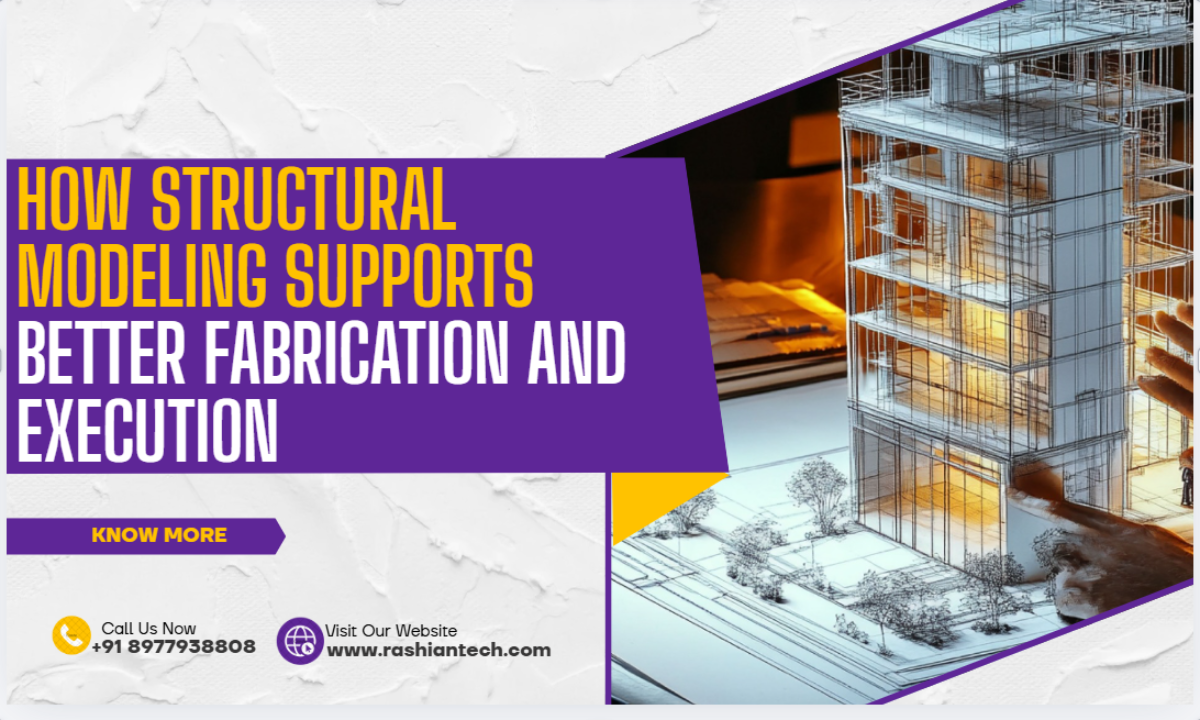
Modern construction and industrial projects require more than accurate design drawings. They need coordinated information that connects engineering decisions with fabrication, assembly, logistics, and site execution. Structural Modelingplays a crucial role in creating this connection by transforming design requirements into detailed digital information that project teams can use throughout the delivery process. Rashian Engineering Technologies combines digital expertise, engineering knowledge, detailing capabilities, and project understanding to support clients with coordinated solutions that improve accuracy and execution.
As project complexity increases, disconnected workflows can create communication gaps, design inconsistencies, material uncertainty, and avoidable rework. A well-developed digital model provides a common technical reference, helping teams understand how individual components interact before physical production begins.
Turning Design Information Into Practical Project Data
A successful project depends on how effectively design information moves from one stage to another. Engineering drawings establish requirements, but fabrication and execution teams need significantly more detail to translate those requirements into physical components.
Structural Modeling creates a detailed digital representation that can communicate geometry, member relationships, connections, dimensions, and component information in a coordinated environment. This allows project participants to interpret technical requirements more consistently and make informed decisions before fabrication begins.
The value extends beyond visualization. A structured model can support detailing, documentation, coordination, quantity understanding, and fabrication planning, creating a more connected information flow across the project lifecycle.
Strengthening the Design-to-Fabrication Connection
Fabrication requires dependable information. Manufacturers and fabricators need clear details about components, assemblies, connections, dimensions, and material requirements before production activities commence.
Structural Modeling helps establish this connection by converting design intent into detailed digital information that fabrication teams can reference. Instead of relying on fragmented documentation, teams can work from a coordinated representation of the proposed structure.
This approach can improve communication between designers, detailers, fabricators, and project managers. Potential inconsistencies can also be reviewed earlier, when adjustments are generally easier to manage than during manufacturing or installation.
Improving Accuracy Before Manufacturing Begins
Errors discovered during fabrication can affect material consumption, production schedules, labor requirements, and project timelines. Preventing avoidable issues before manufacturing therefore has significant value.
With Structural Modeling, teams can review component relationships and examine the structure at a detailed level before physical production. This provides an opportunity to identify discrepancies, verify dimensions, and strengthen coordination between connected elements.
Rashian Engineering Technologies applies digital processes alongside technical expertise to help clients develop dependable project information. By combining modeling capabilities with engineering understanding, the company supports a more controlled transition from design development to fabrication.
Supporting Better Fabrication Planning
Fabrication involves numerous interconnected activities, from material preparation and cutting to assembly, welding, finishing, transportation, and installation. Each stage depends on accurate information from the previous one.
Structural Modeling provides a centralized digital reference that can support fabrication planning and improve understanding of component requirements. Fabrication teams can use coordinated information to prepare production activities with greater clarity and reduce uncertainty around assemblies.
This can also help project stakeholders identify manufacturing considerations earlier. When production requirements influence design discussions at the right stage, teams can make better-informed decisions and minimize unnecessary changes later.
Creating a Shared Reference for Project Teams
Large projects involve engineers, detailers, fabricators, contractors, consultants, and site teams. Each stakeholder may approach the project from a different perspective, but everyone needs access to consistent information.
Structural Modeling creates a shared digital reference that can help different teams understand the same structural system. This improves communication and reduces dependence on disconnected interpretations of drawings and specifications.
Rashian Engineering Technologies supports multidisciplinary project environments by combining BIM, engineering design, detailing, and digital technologies. This integrated approach allows information to move more effectively between project disciplines and delivery stages.
Enhancing Coordination Across Complex Structures
Complex industrial facilities often contain numerous structural members, connections, equipment requirements, and architectural or service interfaces. Coordination becomes increasingly important as the number of interacting elements grows.
Through Structural Modeling, teams can examine relationships between components and identify potential coordination concerns during digital development. This allows project participants to address issues before they become physical problems on the fabrication floor or construction site.
The approach is particularly valuable when structural information must align with other digital models and project disciplines. Better coordination can support smoother workflows, clearer communication, and more predictable execution.
Connecting Detailing With Digital Workflows
Detailed structural information forms an important bridge between engineering and manufacturing. Modern digital workflows can extend this information beyond conventional drawings by creating structured data that supports multiple project activities.
Structural Modeling can work alongside BIM platforms, detailing software, fabrication systems, and project coordination processes. This creates opportunities to connect technical information rather than treating each project stage as an isolated activity.
For Rashian Engineering Technologies, this connected methodology supports its broader capabilities across BIM, Tekla, Revit, CAD, PEB, engineering, and manufacturing. Such integration helps clients manage complex project requirements through coordinated digital workflows.
Supporting Material Understanding and Project Efficiency
Material planning has a direct influence on project cost and operational efficiency. Better information can help teams understand component requirements, quantities, and relationships before fabrication begins.
Structural Modeling can provide valuable digital information that supports quantity assessment and material planning. When project teams have greater visibility into structural components, they can approach procurement and fabrication with improved understanding.
This does not replace professional estimation or procurement processes. Instead, it creates a stronger information foundation that can support those activities and improve coordination between technical and commercial teams.
Reducing Rework Across the Project Lifecycle
Rework can occur when design information is misunderstood, fabrication requirements change unexpectedly, or coordination issues remain undiscovered until later stages. These interruptions can consume resources and affect delivery schedules.
A coordinated Structural Modeling workflow gives teams an opportunity to identify and resolve many information-related issues before physical work progresses. Reviewing the digital structure earlier can support better decisions and reduce the likelihood of avoidable modifications.
The greatest benefit comes when modeling is integrated into the broader project process rather than treated simply as a documentation exercise.
Enabling More Confident Site Execution
Once fabrication is complete, accurate information remains important during transportation, assembly, and installation. Site teams need clear understanding of components and their intended relationships to execute work efficiently.
Structural Modeling can provide a reliable digital reference that supports installation planning and communication. Detailed information can help teams understand how components relate to the overall structure, particularly when projects involve large assemblies or complex configurations.
By connecting design, detailing, fabrication, and execution, project teams can reduce information gaps and approach site activities with greater confidence.
Why Choose Rashian Engineering Technologies?
Technology alone does not guarantee successful project delivery. Effective modeling requires technical knowledge, industry understanding, attention to detail, and the ability to interpret how digital information will ultimately be used.
Rashian Engineering Technologies brings these capabilities together through a multidisciplinary approach. Its expertise across BIM, PEB, CAD, Tekla, Revit, engineering, manufacturing, and project-related services allows the company to understand the complete journey from digital development to physical execution.
The company’s approach to Structural Modeling focuses on creating useful project information rather than producing models in isolation. This helps clients strengthen coordination, improve fabrication readiness, and support more organized execution.
Building a More Connected Project Future
The future of project delivery will increasingly depend on accurate digital information and connected workflows. As industrial developments become more sophisticated, organizations will need solutions that can link design decisions with manufacturing and execution requirements.
Advanced Structural Modeling provides an important foundation for this transformation. It enables teams to develop a more detailed understanding of projects before physical activities begin while creating information that can support multiple downstream processes.
Rashian Engineering Technologies continues to combine digital technologies with practical project expertise to help clients navigate increasingly complex requirements. By integrating technical capabilities with coordinated workflows, the company supports projects that demand accuracy, efficiency, and dependable execution.
Conclusion
Better fabrication and execution begin with better information. When design intent is transformed into coordinated digital data, project teams gain a stronger foundation for planning, manufacturing, coordination, and installation.
Structural Modeling connects these stages by providing detailed information that can support decisions throughout the project lifecycle. It can improve communication, strengthen fabrication planning, reduce avoidable rework, and provide greater clarity during site execution.
For organizations seeking integrated digital and engineering capabilities, Rashian Engineering Technologies offers a multidisciplinary approach that connects technology with practical project requirements. Through intelligent modeling, detailed coordination, and technical expertise, the company helps clients move from design development toward successful physical delivery with greater confidence.