
Blog
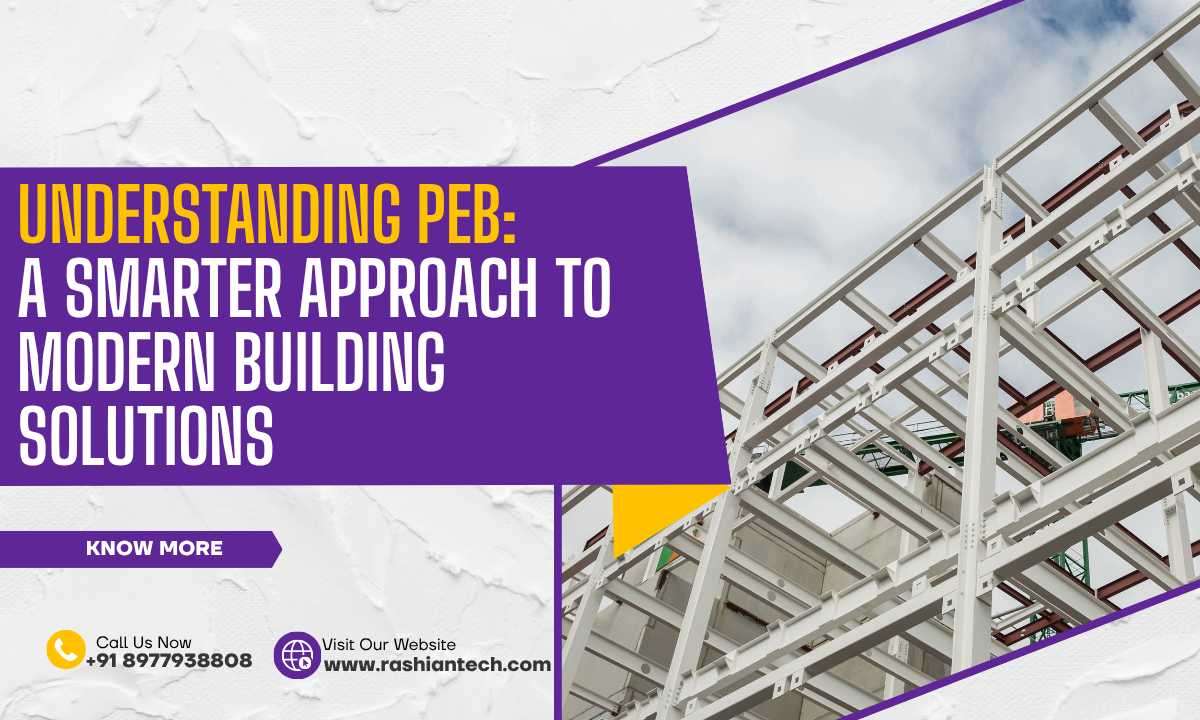
Understanding PEB: A Smarter Approach to Modern Building Solutions
When businesses plan to build factories, warehouses, logistics parks, commercial facilities, or industrial units, speed, durability, and cost efficiency become major priorities. This is where Rashian Engineering Technologies delivers practical and reliable building solutions through advanced engineering and modern construction methods. With expertise in designing and manufacturing high-performance steel structures, the company helps organizations complete projects faster while maintaining exceptional quality standards.
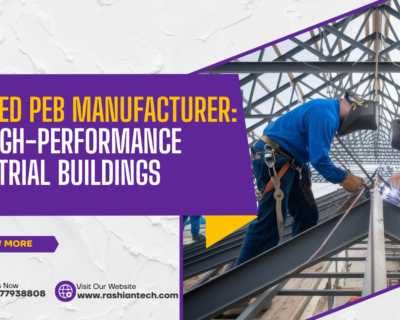
Among today’s most preferred construction solutions, PEB has transformed the way industrial and commercial buildings are developed. Instead of relying on conventional construction techniques that demand more time, labor, and materials, this innovative approach uses precision-engineered steel components manufactured in a controlled environment before being assembled at the project site.
The result is a smarter construction process that reduces delays, minimizes material wastage, improves structural accuracy, and supports future expansion. Whether it is a manufacturing plant, distribution center, aviation hangar, retail complex, or institutional building, businesses increasingly choose this modern construction method because it offers long-term value without compromising strength or performance.
This comprehensive guide explains everything you need to know, from its working principles and components to its advantages, applications, construction process, and reasons why it has become the preferred choice across multiple industries.
Understanding PEB
A pre-engineered building is a steel structure that is designed, engineered, fabricated, and manufactured before reaching the construction site. Every structural member is produced according to project-specific calculations, ensuring accurate dimensions and seamless installation during erection.
Unlike conventional buildings where structural elements are fabricated and adjusted on-site, these buildings are manufactured using advanced engineering software and automated production processes. Each component is carefully tested for quality before transportation, allowing installation teams to assemble the structure quickly and efficiently.
The entire building system is customized according to the client’s requirements, including dimensions, roof slope, wind loads, seismic conditions, insulation needs, ventilation, lighting, and future expansion possibilities.
Because of its engineered precision, PEB provides excellent structural performance while significantly reducing project timelines and overall construction costs.
How Does a Pre-Engineered Building Work?
The complete construction process follows a systematic engineering approach that improves efficiency at every stage.
Initially, engineers study the project requirements, building purpose, geographical conditions, loading requirements, and architectural specifications. Based on these inputs, the structural design is prepared using specialized engineering software.
After design approval, all steel members are manufactured inside modern production facilities using automated machinery that ensures consistent quality and precise dimensions.
The fabricated components are then packed, transported to the project location, and assembled using high-strength bolts instead of extensive on-site welding.
Since every component is manufactured beforehand, construction progresses much faster with minimal interruptions caused by weather, labor shortages, or material inconsistencies.
This streamlined process enables PEB projects to become operational much sooner than conventional construction methods.
Major Components of a Pre-Engineered Building
Every building consists of multiple engineered components that work together to create a durable and efficient structural system.
Primary Structural Members
These include columns, rafters, and rigid frames that form the main load-bearing structure of the building.
Secondary Structural Members
Purlins, girts, eave struts, and bracing systems provide additional stability while supporting roofing and wall panels.
Roof and Wall Panels
Steel sheets with protective coatings offer weather resistance, durability, and excellent service life. Insulated panels may also be incorporated to improve thermal performance.
Connection Systems
High-strength bolts, anchor bolts, clips, and fasteners ensure accurate assembly while maintaining structural integrity.
Accessories
Buildings can also include skylights, ridge ventilators, insulation systems, gutters, turbo ventilators, mezzanine floors, rolling shutters, canopies, and crane support systems depending on operational requirements.
The flexibility of PEB allows every component to be customized according to industry-specific needs.
Key Advantages of Choosing a Pre-Engineered Building
Modern businesses increasingly prefer this construction solution because it offers numerous operational and financial benefits.
Faster Project Completion
Since fabrication takes place simultaneously with site preparation, construction time is significantly reduced. Businesses can begin operations earlier, improving return on investment.
Cost Efficiency
Optimized structural design minimizes steel consumption while reducing labor requirements, equipment costs, and project delays.
Superior Structural Accuracy
Computer-aided engineering ensures precise manufacturing, reducing installation errors and improving overall building quality.
High Durability
Quality-controlled manufacturing and corrosion-resistant coatings provide long-lasting performance even under demanding environmental conditions.
Design Flexibility
Buildings can accommodate various architectural layouts, clear spans, crane systems, mezzanine floors, and customized elevations.
Easier Expansion
Future extensions can be integrated without major structural modifications, making expansion more economical.
Because of these combined advantages, PEB continues to gain popularity among industrial developers and commercial investors.
Industries That Commonly Use Pre-Engineered Buildings
The versatility of this construction system allows it to serve a wide variety of industries.
Manufacturing facilities require large column-free production areas for machinery and efficient workflow.
Warehouses and logistics centers benefit from spacious storage capacity and faster project completion.
Agricultural facilities utilize steel buildings for equipment storage, processing units, poultry farms, and livestock shelters.
Retail businesses use modern steel structures for shopping complexes, supermarkets, and showrooms.
Educational institutions adopt these buildings for auditoriums, sports facilities, laboratories, and classrooms.
Automotive industries construct service centers, assembly plants, and spare parts warehouses.
Infrastructure projects also use steel buildings for airports, railway facilities, maintenance workshops, and utility structures.
The adaptability of PEB makes it suitable for projects of various sizes across multiple sectors.
Comparison Between Conventional Construction and Pre-Engineered Buildings
Understanding the differences helps businesses make informed investment decisions.
Traditional construction generally requires longer project durations because structural fabrication, masonry work, and various site activities occur sequentially. Material wastage is often higher due to manual processes, and weather conditions can significantly affect progress.
In contrast, PEB follows an integrated engineering approach where manufacturing occurs in controlled factory environments while foundation work progresses simultaneously at the site. This parallel execution shortens project schedules, improves quality consistency, and reduces unexpected expenses.
Additionally, steel structures require comparatively lower maintenance, offer better design flexibility, and simplify future modifications, making them a practical choice for expanding businesses.
Factors to Consider Before Choosing a Pre-Engineered Building
Selecting the right building solution requires careful planning and technical evaluation.
Businesses should clearly define the intended building usage, expected operational loads, equipment requirements, and future expansion plans before initiating the design process.
Environmental factors such as wind speed, seismic zone, rainfall intensity, temperature variations, and corrosion exposure must also be considered during structural engineering.
Choosing high-quality steel materials, experienced engineering teams, reliable manufacturing facilities, and professional installation services ensures long-term performance.
Proper planning helps maximize the benefits of PEB while minimizing operational challenges throughout the building’s lifecycle.
Maintenance and Long-Term Performance
One of the strongest advantages of engineered steel buildings is their relatively low maintenance requirement.
Routine inspections should focus on roof panels, drainage systems, fasteners, protective coatings, and structural connections to ensure optimal performance. Cleaning roof gutters, checking for water accumulation, and addressing minor repairs promptly can significantly extend the building’s lifespan.
Modern protective coatings help resist corrosion, while quality steel components maintain structural stability for decades with proper maintenance.
Regular preventive maintenance also improves operational safety and reduces long-term repair costs, allowing businesses to maximize the value of their infrastructure investment.
Why Businesses Are Rapidly Adopting This Construction Method
Growing industries demand faster project execution, scalable infrastructure, and efficient capital utilization. Traditional construction methods often struggle to meet these expectations because of longer timelines and increasing labor challenges.
Modern engineered steel buildings solve these concerns by offering predictable project schedules, consistent manufacturing quality, optimized structural performance, and simplified future expansion.
Organizations also appreciate the sustainability benefits associated with steel construction, including reduced material wastage, recyclability, and improved resource efficiency during manufacturing.
These advantages collectively make PEB one of the most preferred solutions for today’s industrial and commercial construction projects.
Conclusion
As industries continue to prioritize speed, efficiency, and long-term value, engineered steel construction has become an increasingly practical choice for modern infrastructure development. From manufacturing plants and warehouses to commercial facilities and institutional buildings, this construction approach offers exceptional durability, flexibility, and cost-effectiveness while reducing project timelines.
Partnering with experienced specialists such as Rashian Engineering Technologies ensures every project is designed with precision, manufactured to stringent quality standards, and executed with complete engineering expertise. With customized solutions tailored to diverse industrial requirements, businesses can confidently invest in infrastructure that supports future growth.
Whether you are planning a new industrial facility or expanding an existing operation,PEBprovides a future-ready construction solution that combines engineering excellence, operational efficiency, and lasting structural performance.